
Corrosion is a critical issue in industries like oil & gas and water treatment, where metal surfaces are constantly exposed to aggressive agents such as water, salts, oxygen, and corrosive gases. To combat this, industries rely heavily on corrosion inhibitors—a class of essential water treatment chemicals engineered to slow down or prevent metal degradation.
These inhibitors play a central role in maintaining system efficiency and extending the lifespan of assets, especially in the context of water treatment for oil and gas operations.
Chemical Mechanisms of Corrosion Inhibition
Corrosion inhibitors function through various electrochemical and surface-based mechanisms:
- Adsorption
Organic compounds like imidazolines and fatty amines adsorb onto metal surfaces, forming hydrophobic barriers that block H₂O, CO₂, and H₂S.
- Passivation
Oxidizing inhibitors such as nitrites and molybdates help form a stable oxide layer that passivates the metal.
- Precipitation
Some inhibitors react with ions in solution, forming insoluble precipitates that settle as a protective film.
- pH Control and Complexation
Certain chemicals modify local pH or bind aggressive ions (e.g., Cl⁻, Fe²⁺) to neutralize their corrosive effect.
These mechanisms are foundational to many water treatment chemicals used in both industrial and municipal settings.

Chemical Classes and Their Industrial Use
Inhibitor Type | Common Chemicals | Primary Use |
Organic Amines | Imidazolines, Fatty amines | CO₂/H₂S corrosion in pipelines |
Phosphonates | HEDP, ATMP | Cooling & boiler water systems |
Azoles | Benzotriazole (BTA), Tolyltriazole | Copper & brass protection |
Nitrites & Molybdates | Sodium nitrite, Na₂MoO₄ | Anodic inhibitors for steel |
These are all widely used water treatment chemicals, particularly in high-risk industrial environments.
Applications in the Oil & Gas Sector
In the context of water treatment for oil and gas, corrosion inhibitors are vital for protecting infrastructure exposed to corrosive conditions:
- Wellbore and Production Tubing
Sour environments rich in H₂S and CO₂ demand imidazoline-based inhibitors that form robust protective films.
- Transmission Pipelines
Amine-based inhibitors are dosed (batch or continuous) to control internal corrosion under high temperatures and flow rates.
- Refinery Systems
Neutralizing and filming amines mitigate acid attacks, especially in distillation and overhead units.
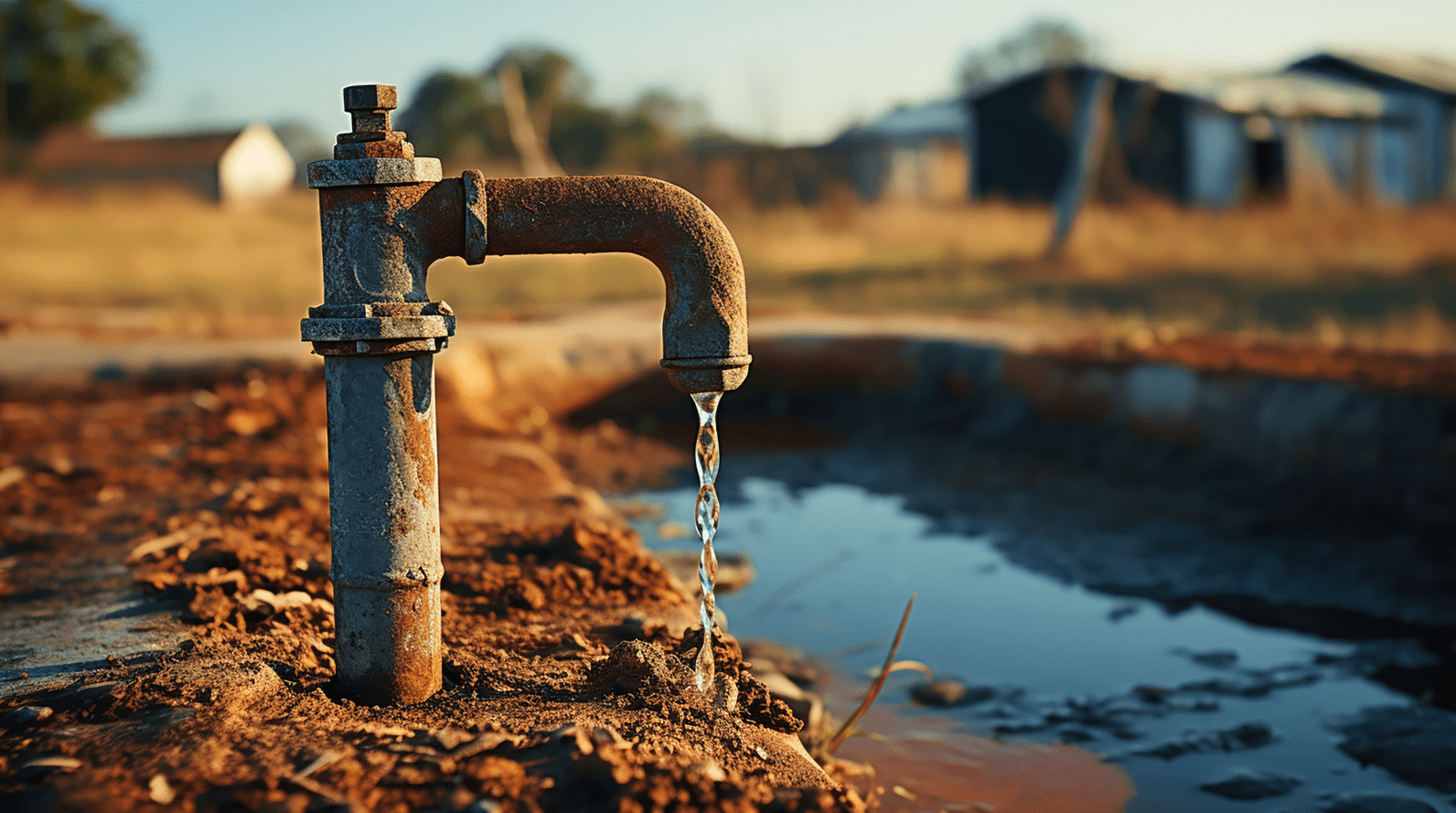
Applications in Water Treatment
The use of corrosion inhibitors as part of broader water treatment chemicals is critical across multiple systems:
- Open and Closed Loop Systems
Phosphonates and polyphosphates are used for combined scale and corrosion control, often alongside azoles.
- Municipal and Potable Water
Orthophosphates and silicates offer corrosion protection, especially in lead and copper piping systems.
- High-Pressure Boilers
Oxygen scavengers like DEHA and hydrazine derivatives help maintain passivated metal surfaces.
Environmental and Future Perspectives
As the demand for sustainable water treatment chemicals increases, new types of corrosion inhibitors are being developed:
- Green Inhibitors
Biodegradable compounds from natural sources (e.g., tannins, amino acids).
- Nano-Inhibitors
Nanoparticles that offer high-efficiency corrosion protection through targeted delivery.
- Smart Inhibitors
Advanced chemicals that activate in response to specific environmental triggers like pH or temperature.
Frequently Asked Questions (FAQ)
What are corrosion inhibitors and why are they important?
Corrosion inhibitors are chemicals used to slow or prevent the corrosion of metal surfaces. They are especially critical in industries like oil & gas and water treatment where metals are exposed to harsh, corrosive environments.
How do corrosion inhibitors work?
They function by adsorbing on metal surfaces, forming protective layers, modifying the electrochemical environment, or neutralizing corrosive agents like oxygen and chlorides.
What are common types of water treatment chemicals used for corrosion control?
Common corrosion control chemicals include organic amines (e.g., imidazolines), phosphonates (e.g., HEDP), azoles (e.g., BTA), nitrites, and molybdates.
Where are corrosion inhibitors used in the oil and gas industry?
They are used in wellbores, production tubing, pipelines, and refinery systems—especially where H₂S and CO₂ are present.